

Case Summary
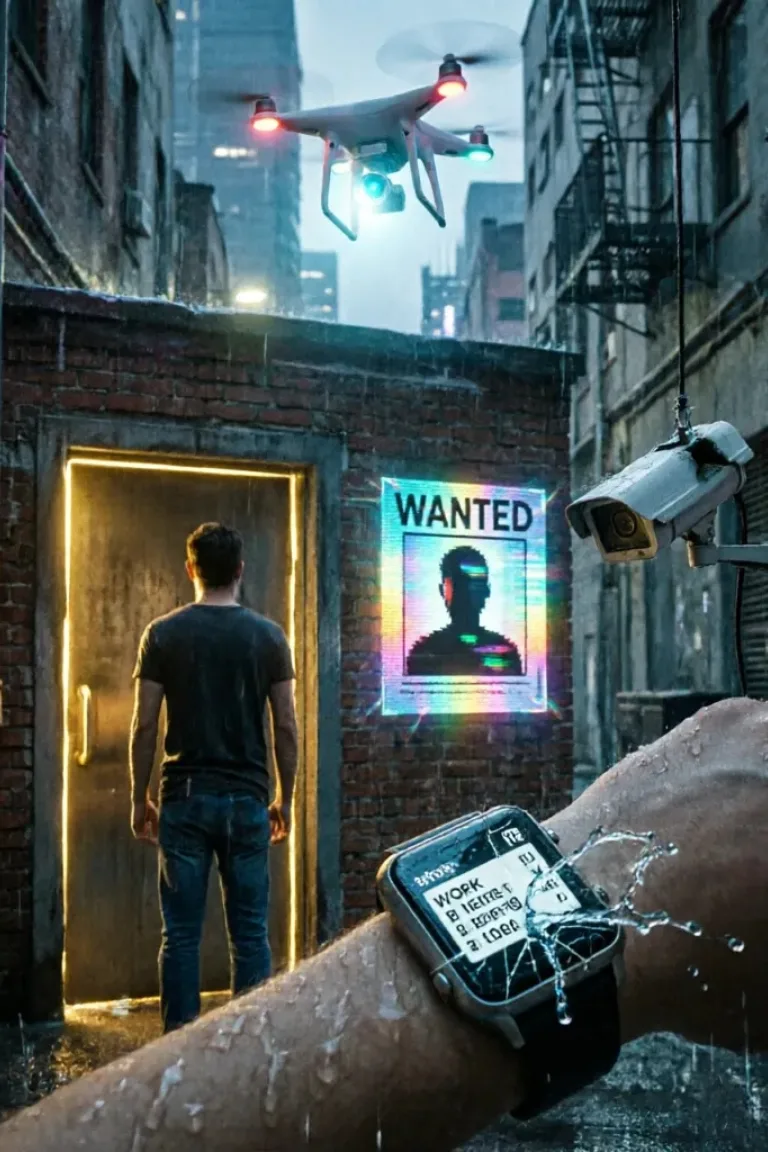
On March 11, 2025, Antoine Bolong, a 24-year-old French national studying at Columbia University, was seized outside his apartment by NYPD Detective Michael Lassiter and other officers. The arrest stemmed from a facial recognition alert that flagged Bolong as a possible match for an armed robbery suspect, despite an 85% confidence score and obvious discrepancies in height and build. He was detained for 48 hours before prosecutors dropped all charges after time-stamped campus footage proved he was in class during the crime. Bolong sued under Section 1983, asserting false imprisonment, malicious prosecution, and Fourth and Fourteenth Amendment violations. The suit argued that the arrest lacked probable cause because officers ignored exculpatory evidence and relied solely on an error-prone algorithm. The case became a flashpoint in the debate over algorithmic accountability in policing.
Status or Result:
In December 2025, the U.S. District Court for the Southern District of New York denied the defendants' motion to dismiss, ruling that the complaint plausibly alleged a Fourth Amendment violation and that the officers' reliance on the algorithm without further verification could defeat qualified immunity. In February 2026, the parties reached a confidential settlement in which the city agreed to review and revise its facial recognition protocols.
Key Disputes
Whether officers had probable cause to arrest based solely on a facial recognition match without independent corroboration; whether reliance on an opaque AI system constituted reckless investigation; and the scope of qualified immunity when police use flawed technology that disregards exculpatory evidence.
Social Impact
The case ignited national scrutiny of law enforcement's use of facial recognition, especially its disproportionate misidentification of minorities and foreign nationals. Civil liberties organizations hailed it as a landmark example of technology-enabled wrongful arrest. It prompted several municipalities to suspend facial recognition contracts and spurred federal legislative proposals requiring minimum accuracy standards and independent audits for AI tools used in criminal investigations.
Adapted Novels (1)
Feedback & Corrections
No comments yet. Be the first to comment!