

Case Summary
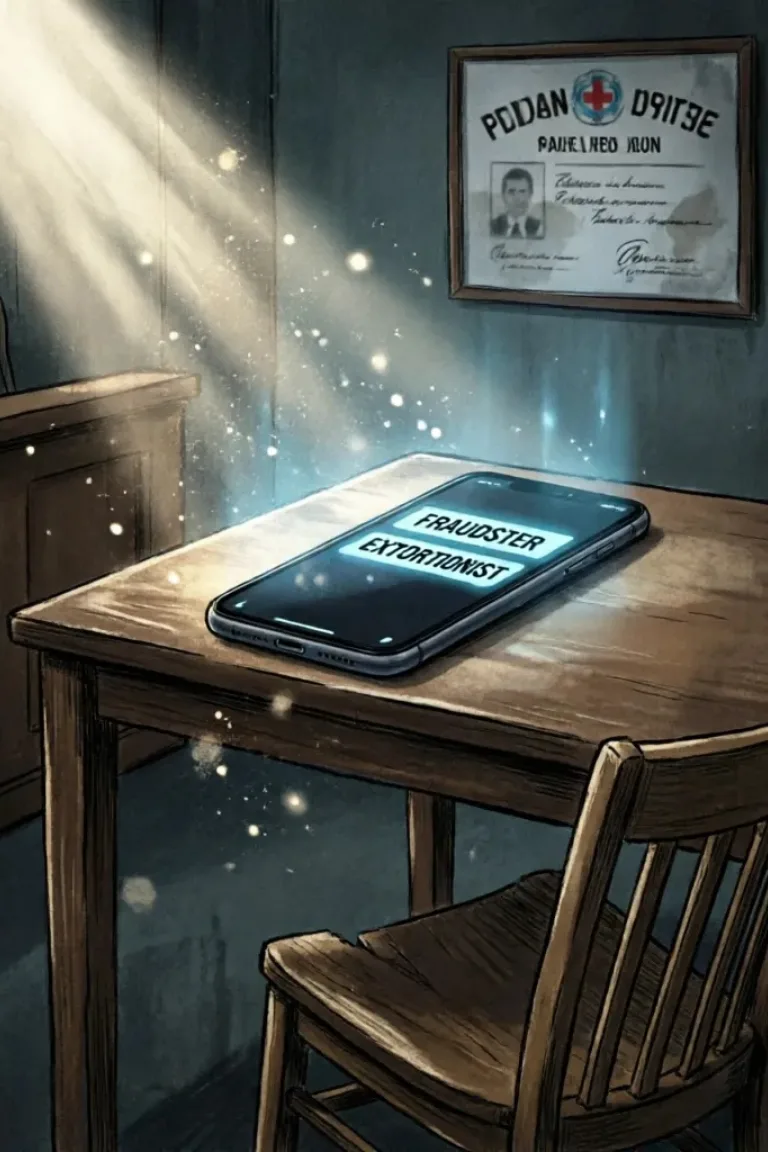
On March 6, 2025, David Howell filed a lawsuit against Rachel Kimberly in a U.S. federal court. Howell alleged that Kimberly posted a series of false, defamatory statements on social media, accusing him of criminal misconduct. The posts rapidly went viral, leading to Howell losing his employment, suffering severe emotional distress, and facing public humiliation. Howell sought damages for defamation per se, false light invasion of privacy, and intentional infliction of emotional distress. Kimberly moved to dismiss based on First Amendment protection, arguing her posts were opinion. The court denied the motion, finding plausible allegations of actual malice. After trial, a jury found Kimberly liable on all counts.
Status or Result:
The jury returned a verdict in favor of Howell, awarding $500,000 in compensatory damages and an additional $150,000 in punitive damages. The court upheld the verdict, rejecting post-trial motions.
Key Disputes
Whether Kimberly’s social media posts constituted protected speech under the First Amendment or actionable defamation made with actual malice, and whether the plaintiff was a public figure requiring a higher standard of proof.
Social Impact
The verdict drew significant attention from digital rights groups and media outlets, intensifying debate over online accountability. It underscored the potential real-world consequences of viral falsehoods and prompted calls for clearer legal frameworks governing social media speech, while also chilling some forms of online expression due to fear of litigation.
Adapted Novels (1)
Feedback & Corrections

No comments yet. Be the first to comment!