

Case Summary
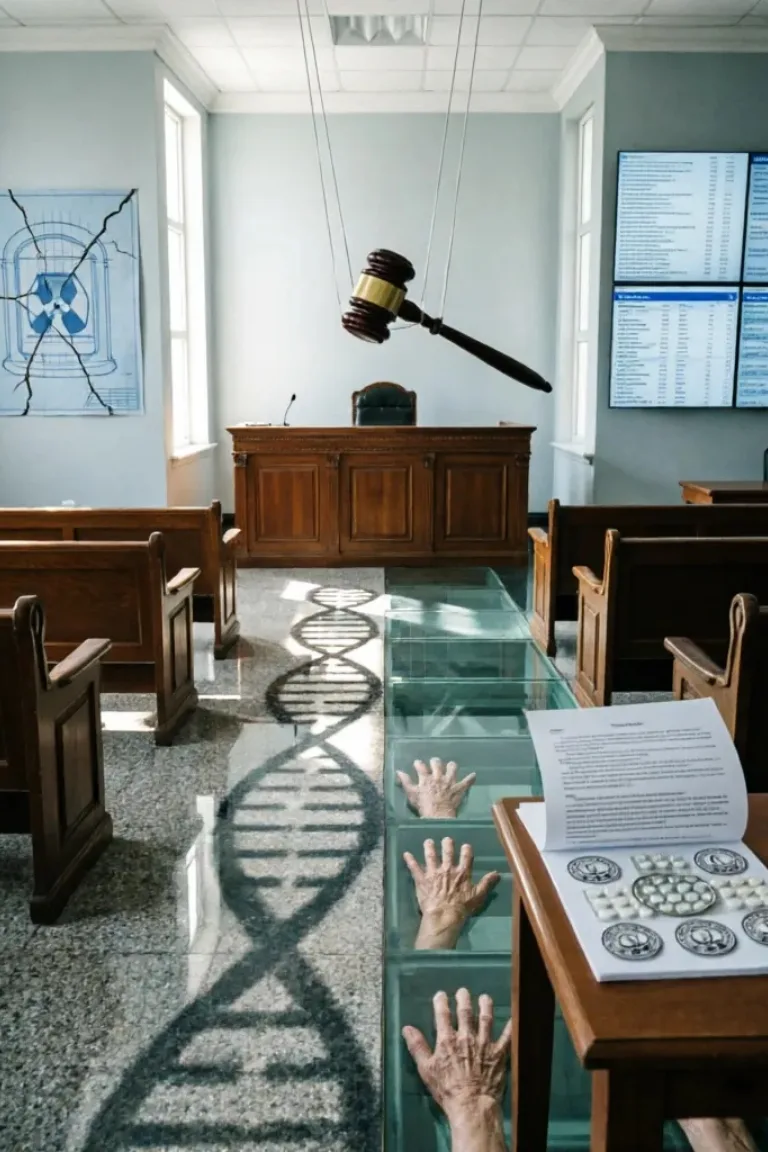
In 2025, local residents and anti-nuclear groups sought a provisional disposition in the Fukui District Court to immediately halt the operation of the Mihama Unit 3 nuclear reactor, operated by Kansai Electric Power Company. The applicants argued that the 47-year-old reactor, which had been restarted under a special regulatory extension, suffered from severe aging-related deterioration, making it incapable of withstanding a major earthquake or accident. They claimed imminent danger to life and property, relying on the precautionary principle under Japan`s nuclear safety regulations. The district court dismissed the motion, finding no urgent necessity for an injunction. The applicants then filed an immediate appeal (kosoku-kōkoku) to the Nagoya High Court, Kanazawa branch, requesting an emergency suspension order.
Status or Result:
The Nagoya High Court dismissed the immediate appeal, upholding the original rejection. The court held that the applicants failed to demonstrate a sufficiently specific and imminent risk that could override the regulatory authority’s safety confirmation and the utility’s compliance record.
Key Disputes
Whether the lower court correctly assessed the urgency and evidentiary threshold required for a provisional injunction against a reactor operating under post-Fukushima safety standards; whether the aging management program and seismic risk evaluation were sufficient to exclude a concrete danger to the local population.
Social Impact
The case intensified public debate on Japan’s policy allowing reactors beyond the 40-year operational limit. It fueled distrust in regulatory oversight of aging nuclear plants and became a rallying point for civil society groups arguing that the legal framework does not adequately protect communities against catastrophic nuclear incidents.
Adapted Novels (1)
Feedback & Corrections
No comments yet. Be the first to comment!